
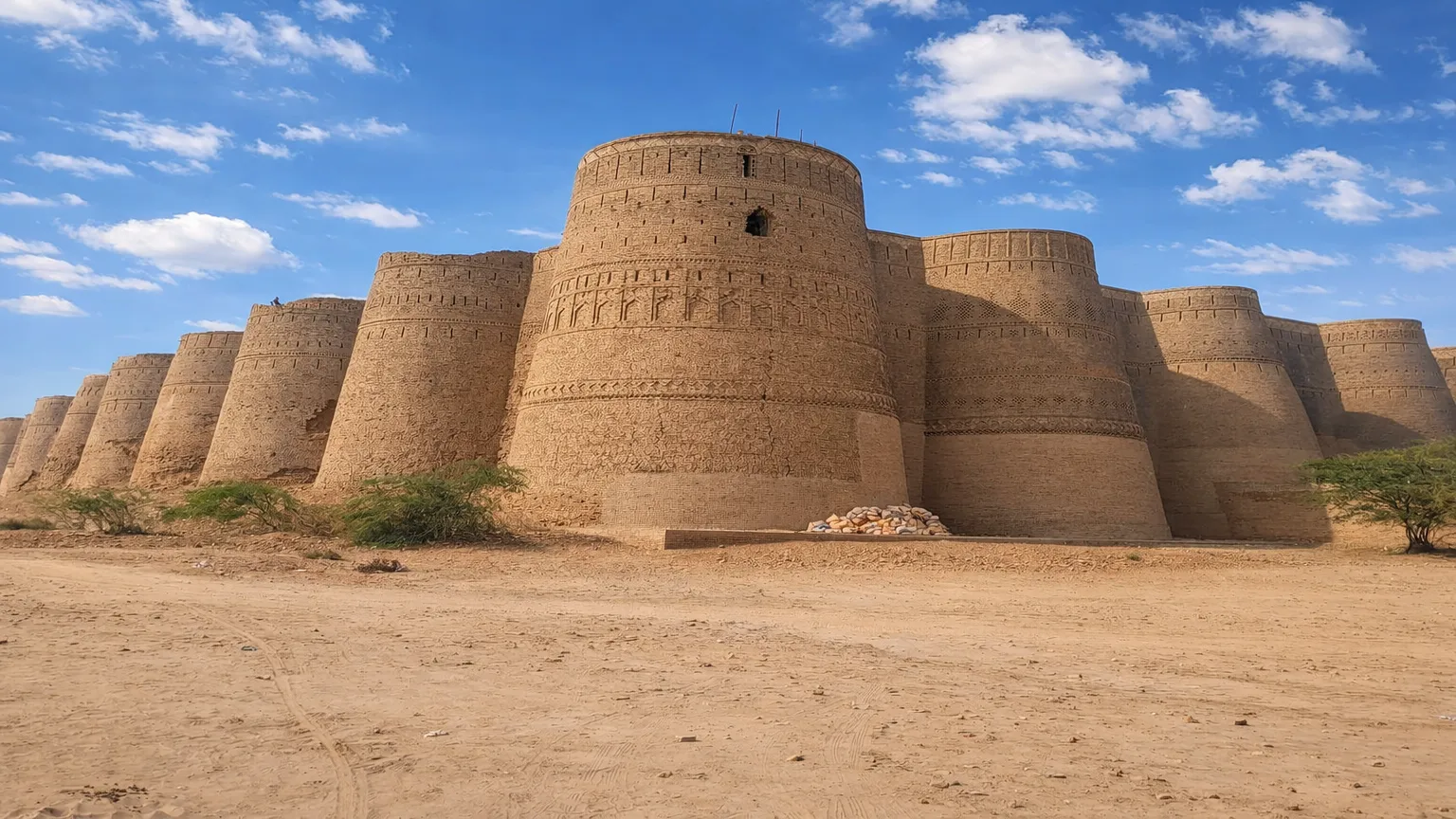
Derawar Fort is one of Pakistan’s most striking historical landmarks. It rises suddenly from the flat sands of the Cholistan (Rohi) Desert and can be seen from far away because of its huge walls and round bastions. It is a massive square fort, colored deep red-brown, standing alone in a wide desert landscape. The fort is located in Tehsil Yazman of Bahawalpur District and is linked with the history of desert routes, local rulers, and the old princely state of Bahawalpur.
Derawar is not just a “beautiful place for tourism.” It is also a reminder of how people built strong defensive structures in harsh environments. In the past, deserts were not empty wastelands; they were living corridors for trade, travel, and pilgrimage.
Water was rare, and controlling a water point could mean controlling movement across the desert. Derawar became important because it stood at a critical location where water could be accessed, and where caravans could stop and rest.
Where is Derawar Fort Located?
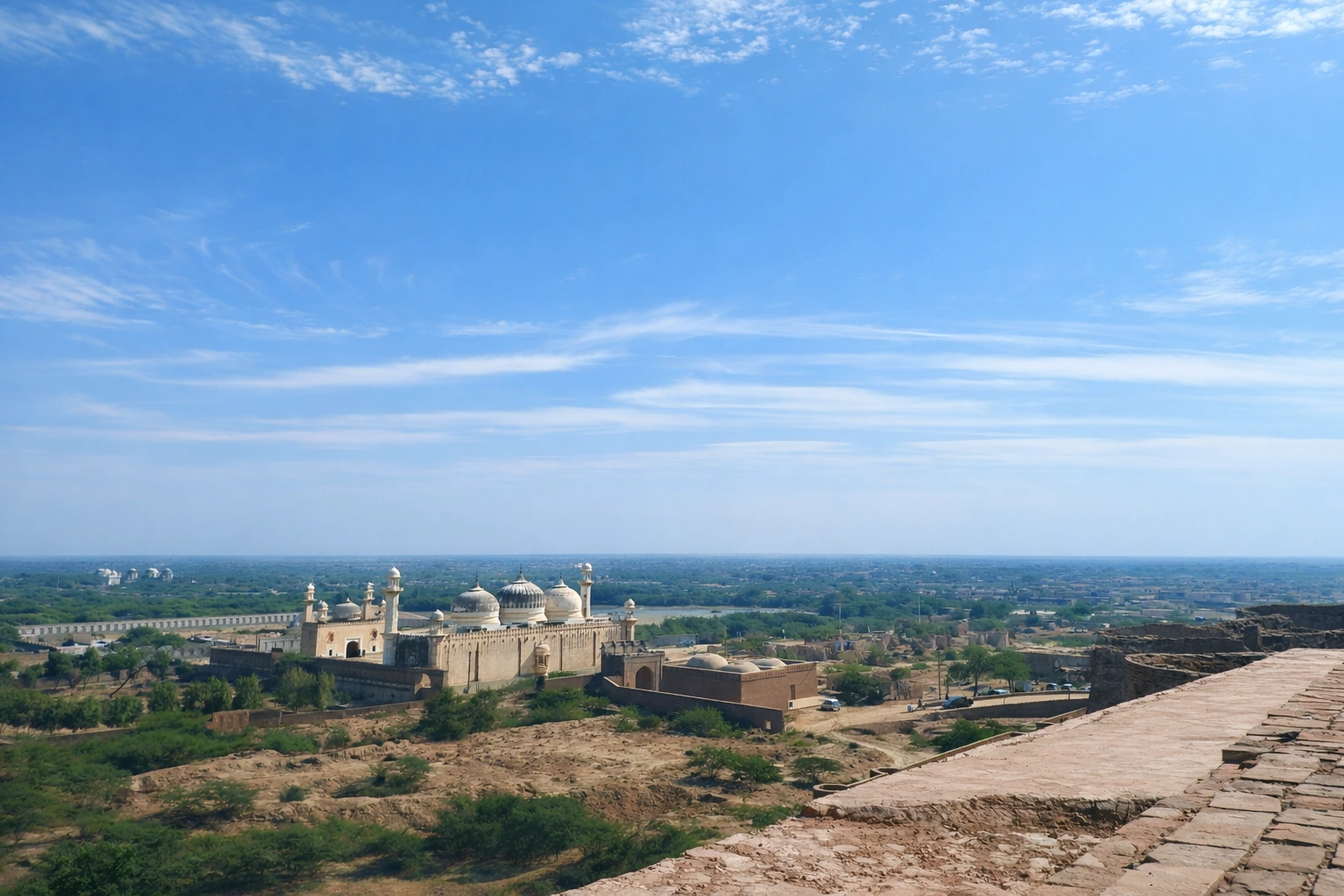
Derawar Fort is in the Cholistan Desert of southern Punjab. It lies in Bahawalpur District and is about 20 km south of Ahmedpur East. From Bahawalpur city, visitors usually travel by road towards Ahmedpur East and then further into the desert region.
This area is part of the wider desert landscape that once had ancient settlements supported by the Hakra River system. Archaeological evidence and landscape traces suggest that the Hakra River supported communities for a long time, but later changed course and disappeared underground, turning the region into a much drier desert. Even after the area became harsh, it remained important because major routes still passed through it.
A Brief History of Derawar Fort
Many sources connect Derawar’s early origin to Rajput Bhatti rulers. The UNESCO World Heritage Centre’s tentative listing for “Derawar and the Desert Forts of Cholistan” states that Derawar was built in the 9th century by Rai Jajja Bhatti, a ruler of the Bhatti clan.
Later, Derawar became closely tied to the Abbasi Nawabs of Bahawalpur (the rulers of the former Bahawalpur State). UNESCO’s description explains that the fort was taken over by Nawab Sadeq Mohammad Khan I in 1733, lost in 1747, and then regained in 1804. It remained an important desert stronghold and residence of the Nawabs of Bahawalpur until the 1970s.
One reason this fort survived better than many other desert forts is that it stayed in active use for long periods, while other forts in the region were abandoned and slowly collapsed.
Today, it is not only a historical structure but also part of national heritage discussions. It has been placed on UNESCO’s Tentative List (submitted by Pakistan in 2016), which is an early step in the process toward possible World Heritage nomination.
Architecture and Design: Why the Fort Looks So Powerful
Derawar’s architecture is one of the main reasons it attracts attention. UNESCO describes it as a “massive” square structure built of clay bricks, with walls measuring about 1,500 meters in length (overall wall length/perimeter reporting varies by source, but the 1,500 m figure is consistently cited in major descriptions). The walls rise up to around 30 meters high.
The most famous feature is its forty circular bastions (large rounded towers), ten on each side. These bastions are also described as about 30 meters high and are visible from miles away in the open desert. UNESCO also notes that the bastions have decorative cut-brick patterns, which means the design is not only defensive but also artistic.
In simple words, this fort is built like a giant fortified square “box” with powerful round towers around it. The desert makes it look even bigger. Because the landscape is flat and open, there is nothing to hide the fort’s scale. When the sun is low (early morning or late afternoon), the shadows of the walls and bastions make the structure look even more dramatic.
Inside the fort, remains of older structures can be found, and historical descriptions mention tile and fresco work in parts of the interior.
Derawar and the Network of Cholistan Forts
Derawar is not alone. It belongs to a wider group of desert forts across Cholistan. UNESCO explains that several forts formed a network across the desert landscape, including forts such as Meergarh, Jaangarh, Marotgarh, Maujgarh, Dingarh, and others. These forts helped protect and support caravan routes, trade routes from Central Asia to the subcontinent, and pilgrimage routes between Mecca and India.
This wider context is important. Many people visit Derawar as a single destination, but historically it was part of a system: forts and way-stations that made movement possible across a difficult environment. Water access was the key issue, and controlling forts often meant controlling water points and influence in the region.
Royal Graveyard and Mosque
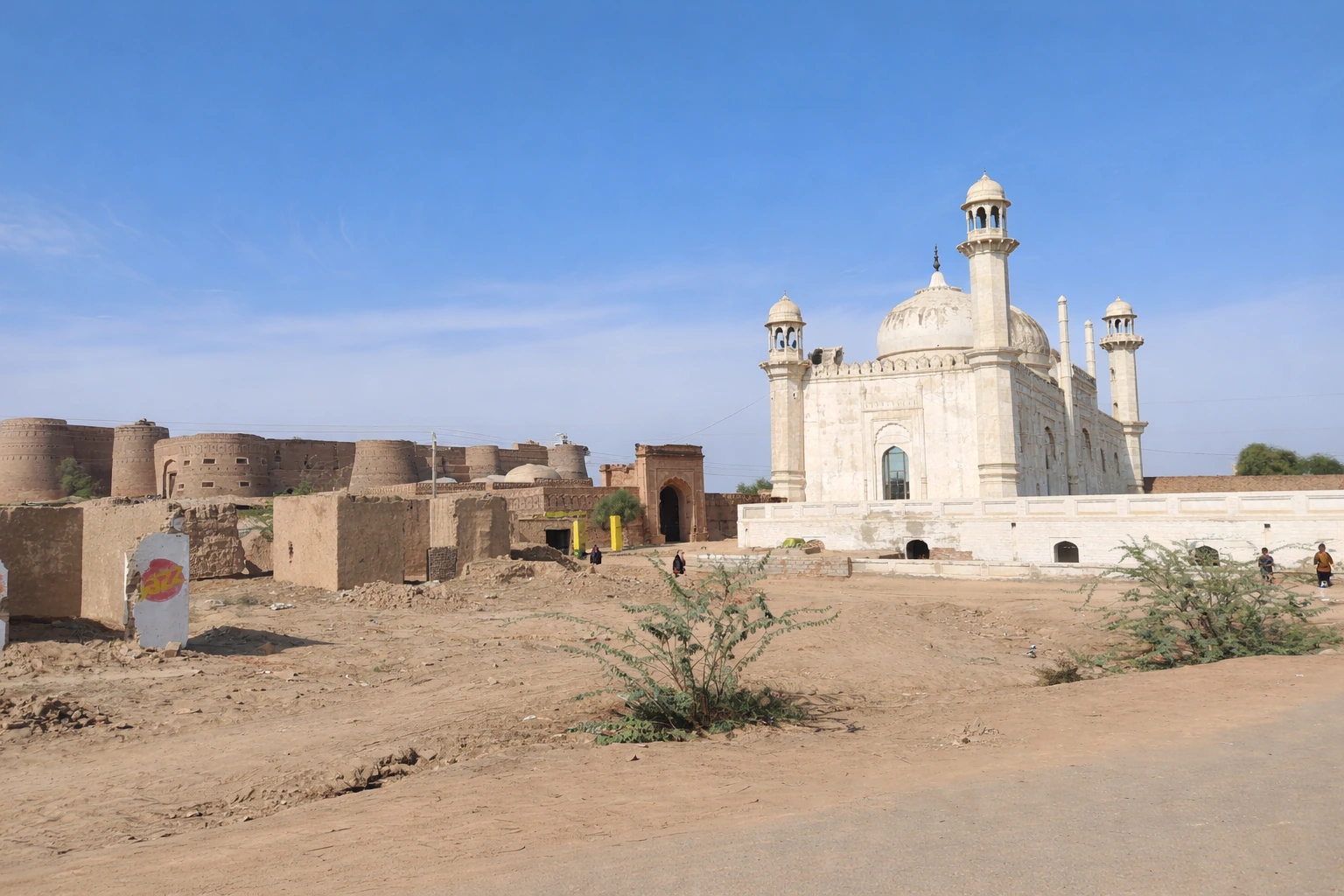
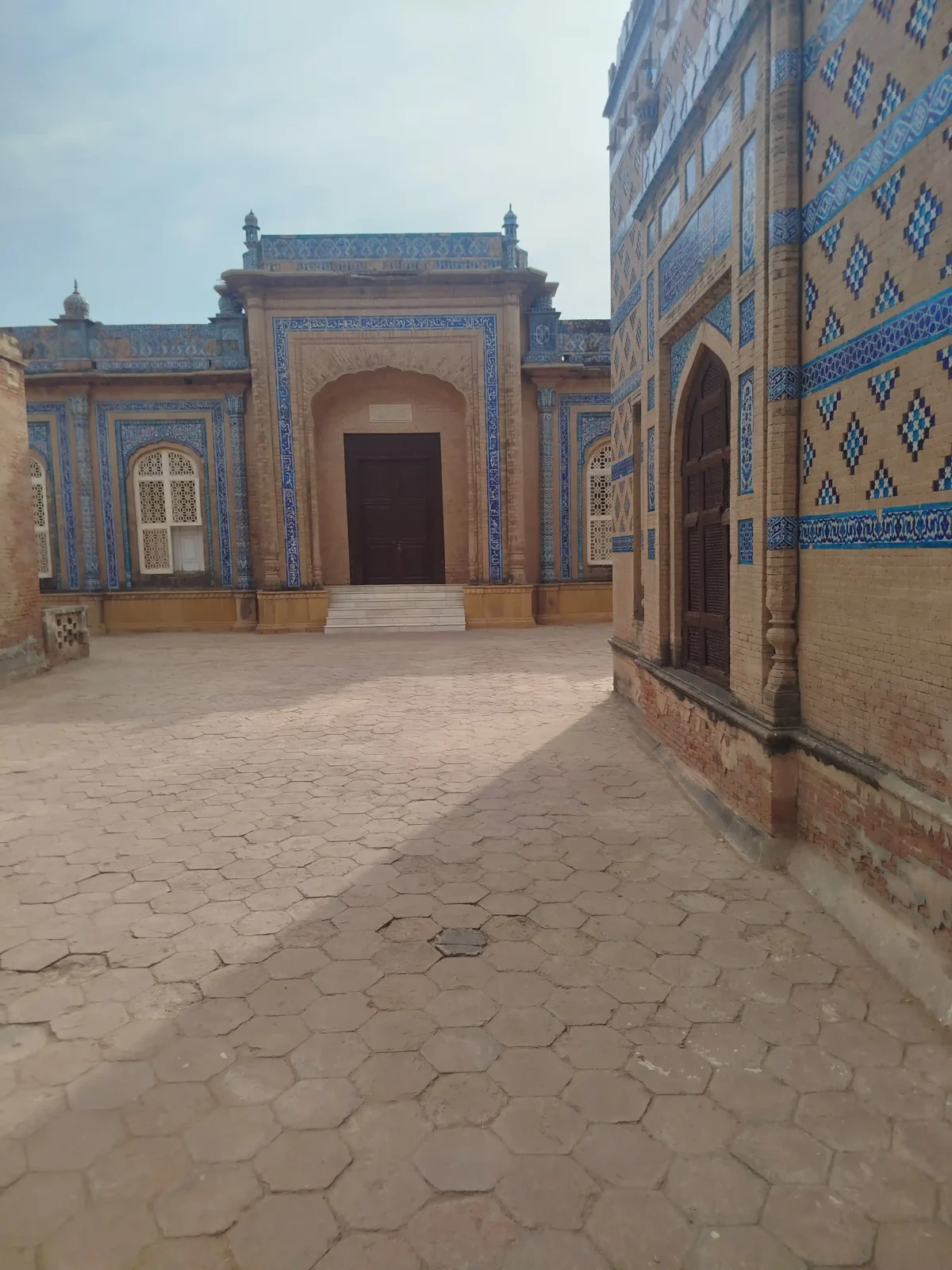
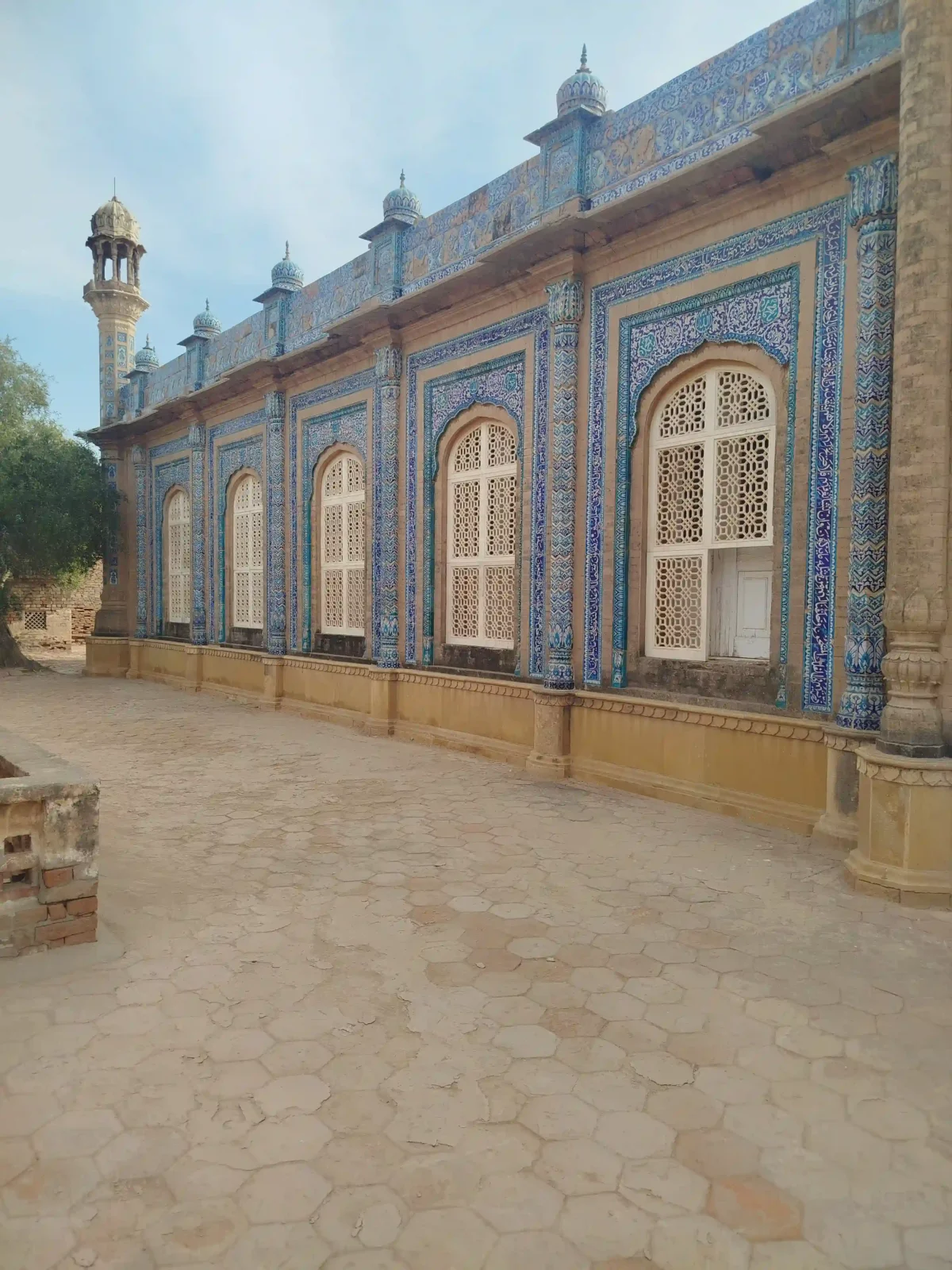
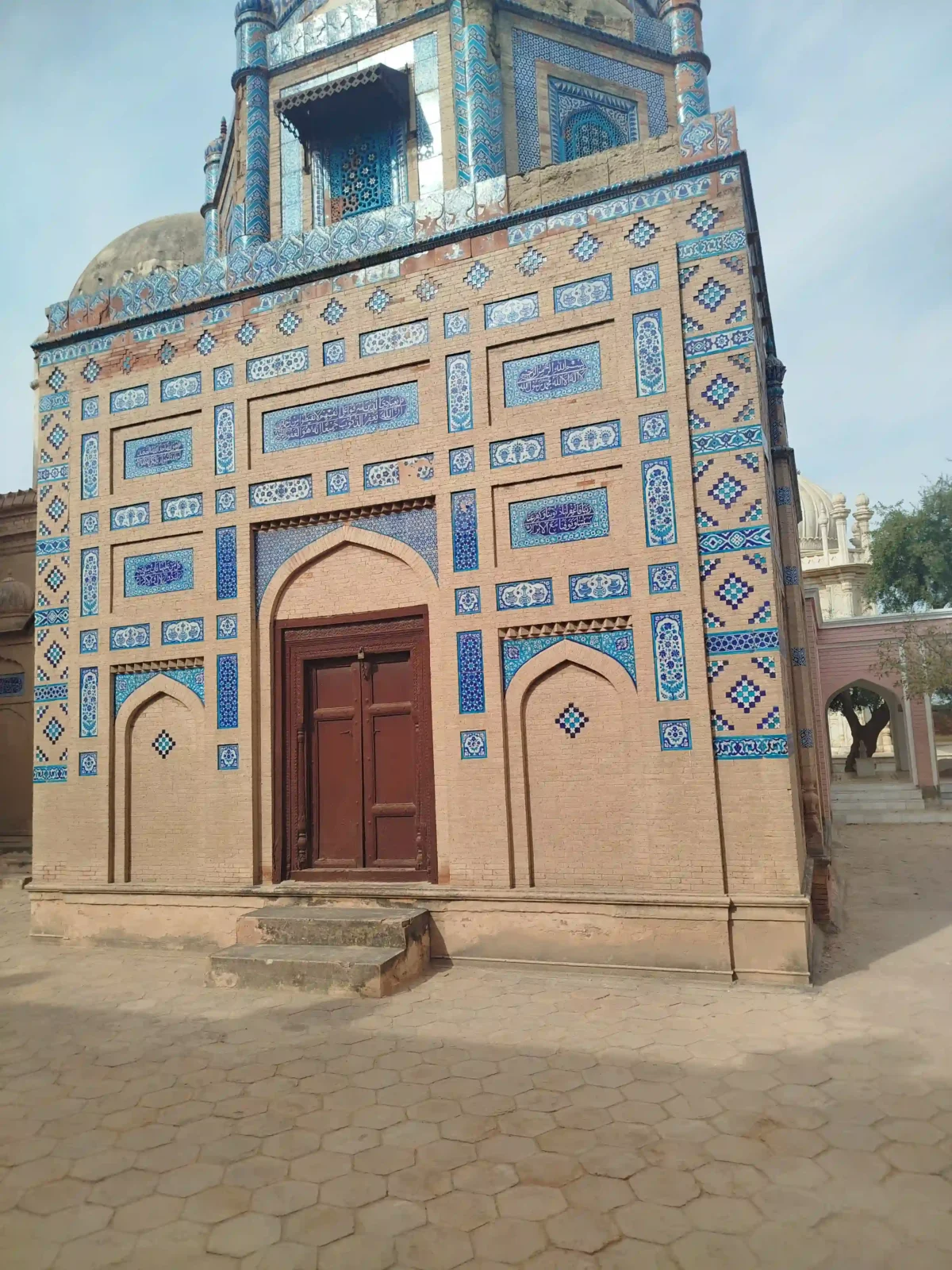
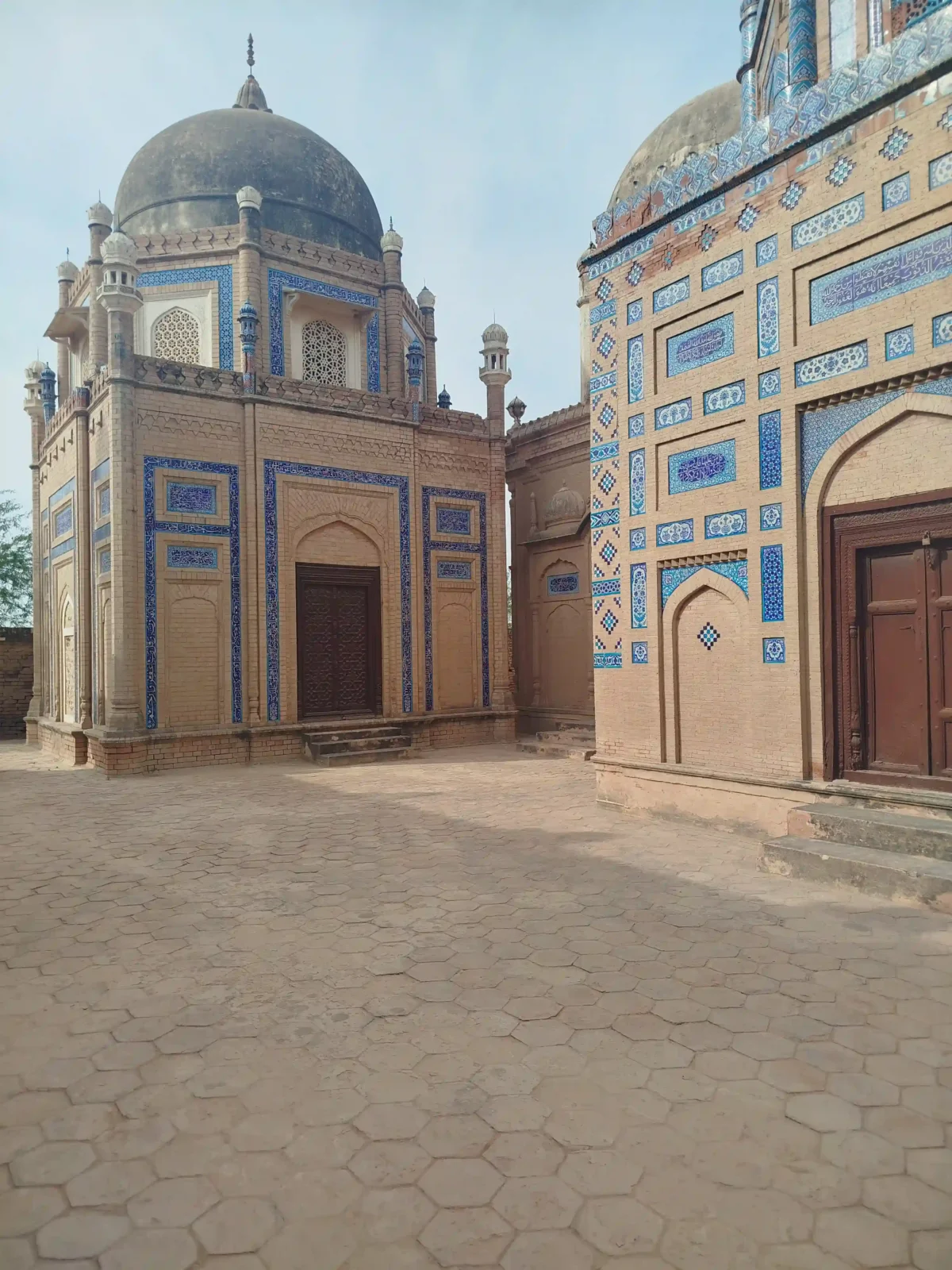
Near Derawar Fort, visitors often mention the nearby religious and royal heritage sites. There is a mosque (Abbasi Mosque) nearby and the cemetery of the Nawabs of Bahawalpur with ornate graves. These sites add a strong cultural and human dimension to the visit. It is not only about walls and defense, but also about community, religion, and the legacy of the Bahawalpur rulers.
These mausoleums are architectural gems in their own right, featuring beautiful dome structures decorated with intricate tile work.
Because these places are sensitive heritage areas (especially graveyards), respectful behavior is important. Visitors should avoid climbing on delicate structures, damaging brickwork, or leaving trash behind.
Derawar Fort Today: Tourism, Events, and Public Interest
Derawar Fort has become a symbol of Pakistan’s desert heritage and is now strongly connected with tourism in the region. A major modern event linked to Derawar is the Cholistan Desert Jeep Rally. According to Toyota Indus (which describes the event as being organised by TDCP and sponsored by Toyota Indus Motor Company), the rally starts near the Fort, includes around 100 drivers and teams, and attracts almost 100,000 visitors each year.
This rally has helped many Pakistanis discover Cholistan and Bahawalpur. It also brings economic activity to the region during the event season. At the same time, large crowds can increase pressure on fragile heritage sites, which is why proper management and conservation planning matter.
Conservation and Restoration of Derawar Fort
Like many old brick structures in harsh climates, the fort faces serious conservation challenges. Wind, heat, salt, and occasional rain can slowly damage brickwork and weaken walls. Human activity can also cause harm if the site is not managed well.
In recent years, restoration and preservation work has been reported in the media. Recent reports suggest that Rs160 million had been spent out of an allocation of Rs260 million on restoration and preservation work at Derawar Fort, with work described on bastions, fortification walls, platforms, the main entrance, and a mosque, among other elements.
These updates show growing official attention. However, conservation is not a one-time repair job. A desert fort needs continuous monitoring, careful restoration methods, and controlled visitor movement, so that repaired sections do not fall again after a few years.
What Makes Derawar Fort Special For Pakistan’s Heritage?
The fort matters for several reasons:
- It represents desert architecture at a grand scale:
The size of the walls, the forty bastions, and the fort’s clean square plan make it one of the most visually powerful forts in Pakistan. - It connects multiple layers of history:
Derawar is tied to Rajput-era beginnings, later control by the Nawabs of Bahawalpur, and the broader story of caravan routes across the desert. - It shows how people survived and governed in harsh environments:
In deserts, “power” often means “water.” UNESCO’s description clearly connects Derawar and the Cholistan forts to access and control of scarce water resources and routes of movement. - It is still meaningful today:
From cultural tourism to the Cholistan rally, Derawar remains part of public life and identity in the region.
Travel Guidance
If you plan to visit Derawar Fort, keep a few simple points in mind:
- Best season: Winter months are generally easier for travel in Cholistan because summer heat can be extreme.
- Travel planning: Because the fort is in a desert region, it is safer to travel with reliable transport and enough water, especially if you go beyond main roads.
- Respect the site: Avoid climbing fragile walls, scratching bricks, or walking into restricted/unsafe areas.
- Photography: The fort looks most dramatic in early morning or late afternoon light, when shadows give strong depth to the bastions.
Rules about entry and access to inner areas can vary depending on local administration and security arrangements at the time, so local guidance is helpful.
Conclusion
Derawar Fort is one of Pakistan’s great desert monuments—massive, memorable, and full of history. Its forty bastions and towering walls are not just an architectural showpiece; they represent centuries of desert travel, water control, and regional power. The fort’s connection with the Nawabs of Bahawalpur adds another layer of cultural meaning, and its place on UNESCO’s Tentative List highlights its international heritage value.
At the same time, it is a fragile treasure. Restoration efforts reported in 2025 show that the fort is receiving attention, but long-term protection will depend on careful conservation work and responsible tourism. For anyone interested in Pakistan’s history, architecture, or landscapes, Derawar Fort offers something rare: a grand fortress standing in a vast desert, silent, strong, and unforgettable.