
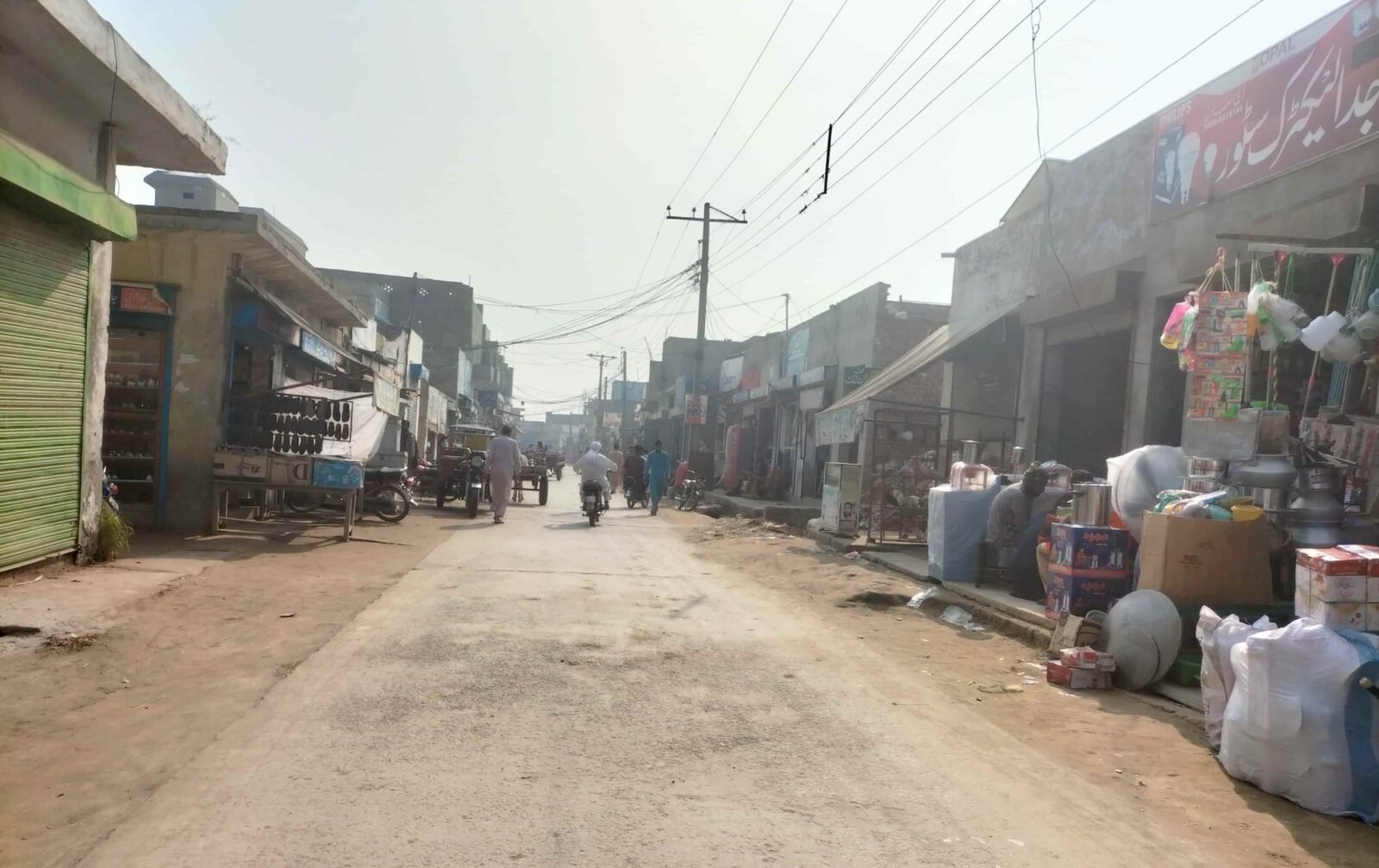
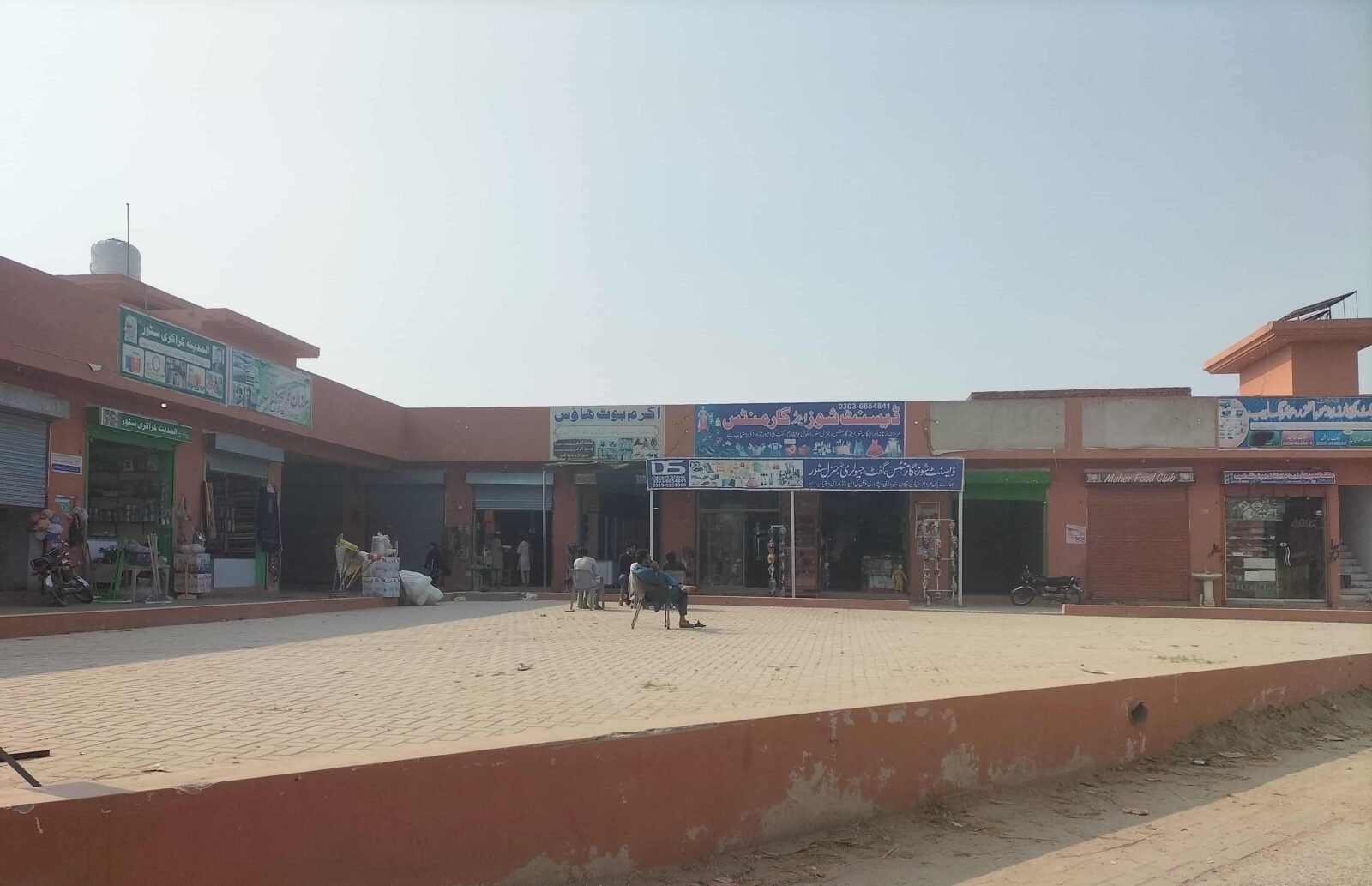
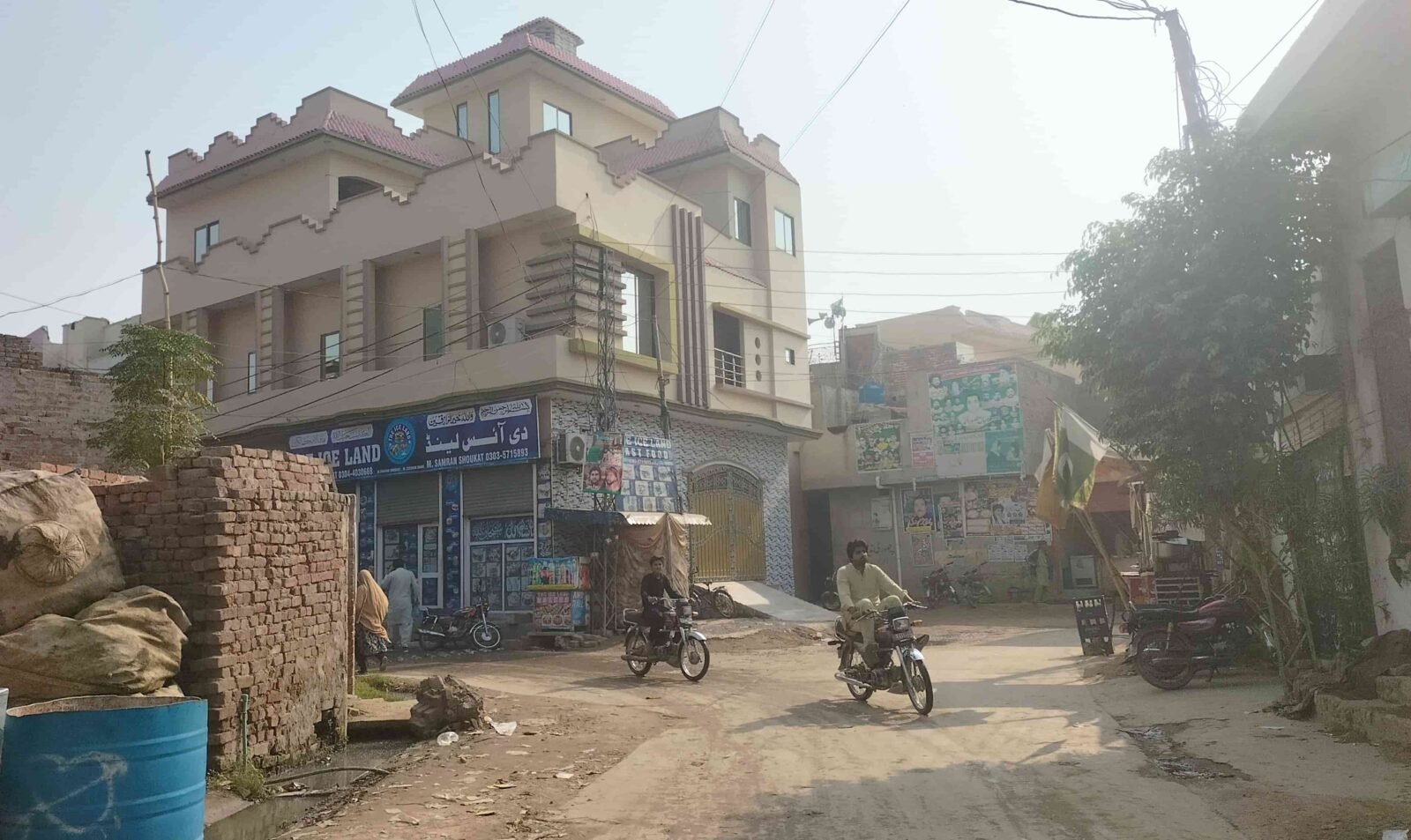
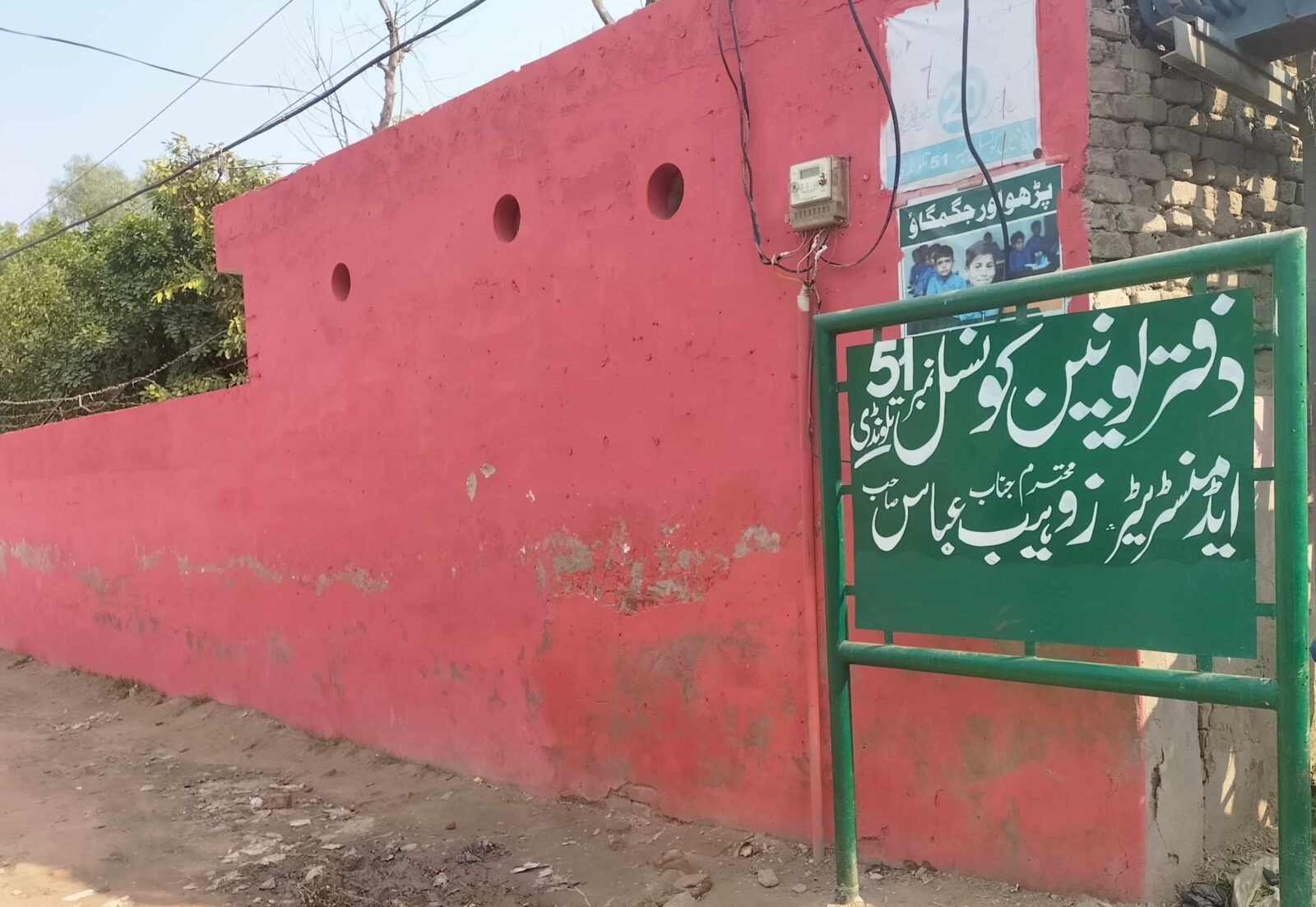
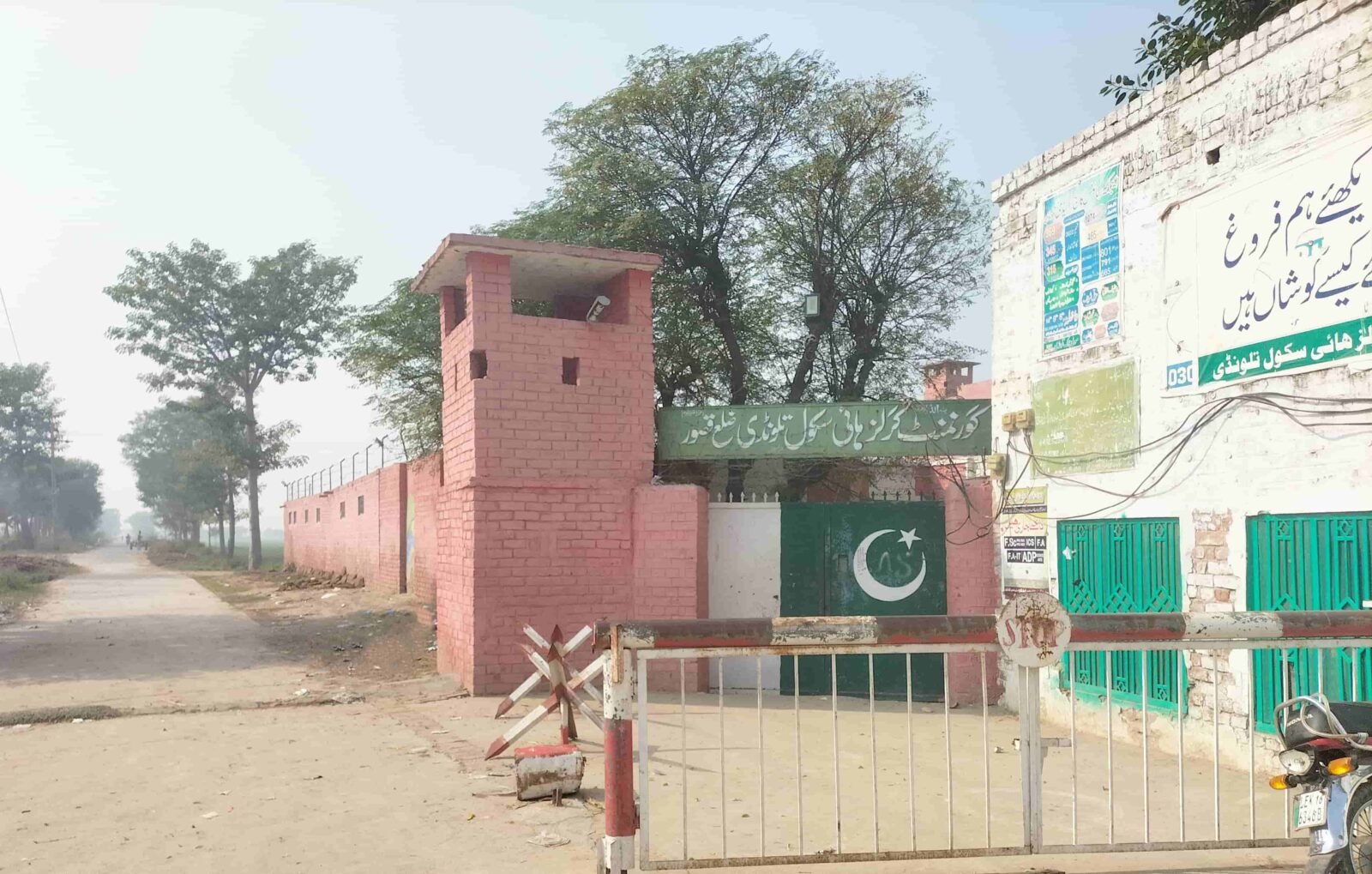
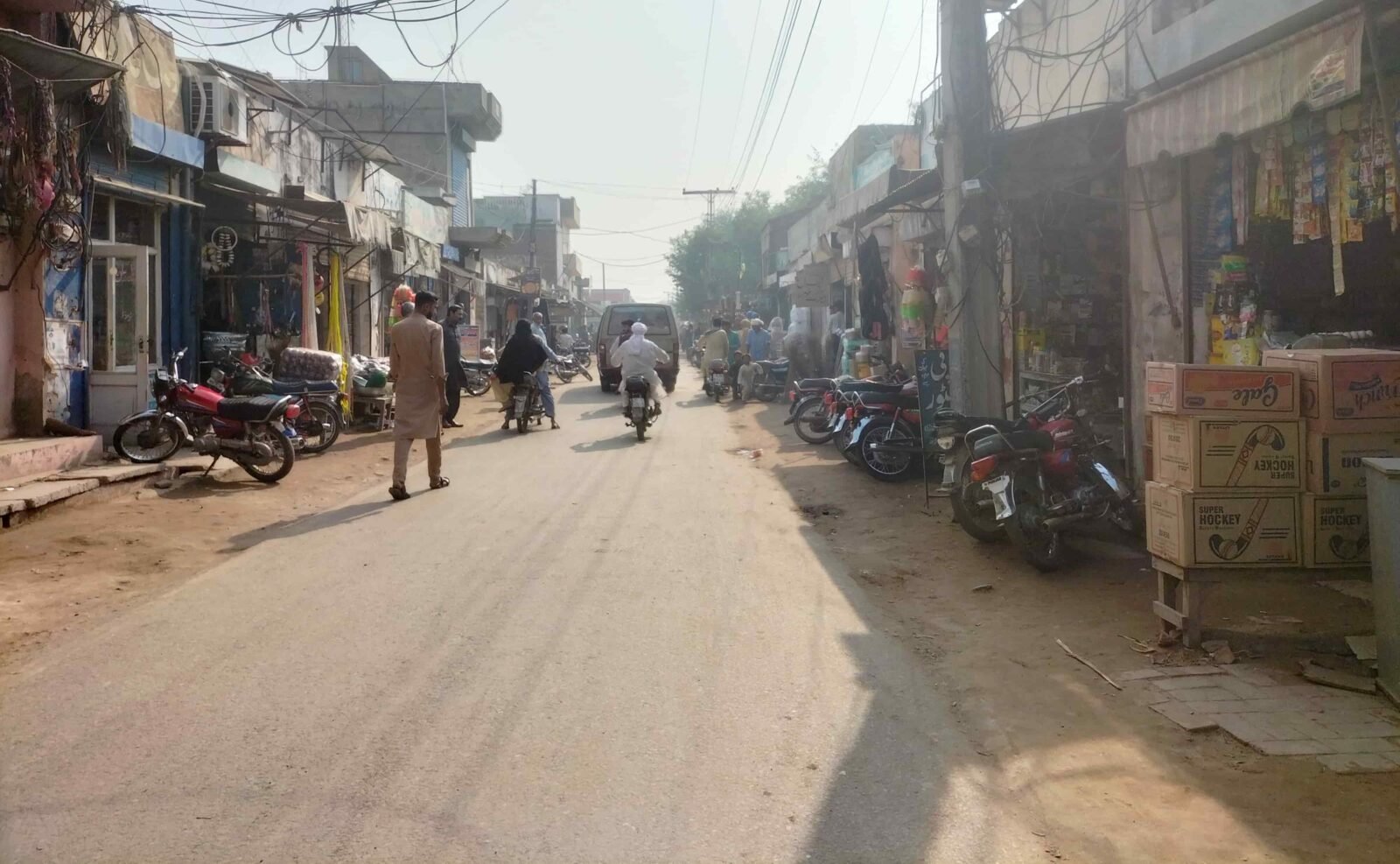
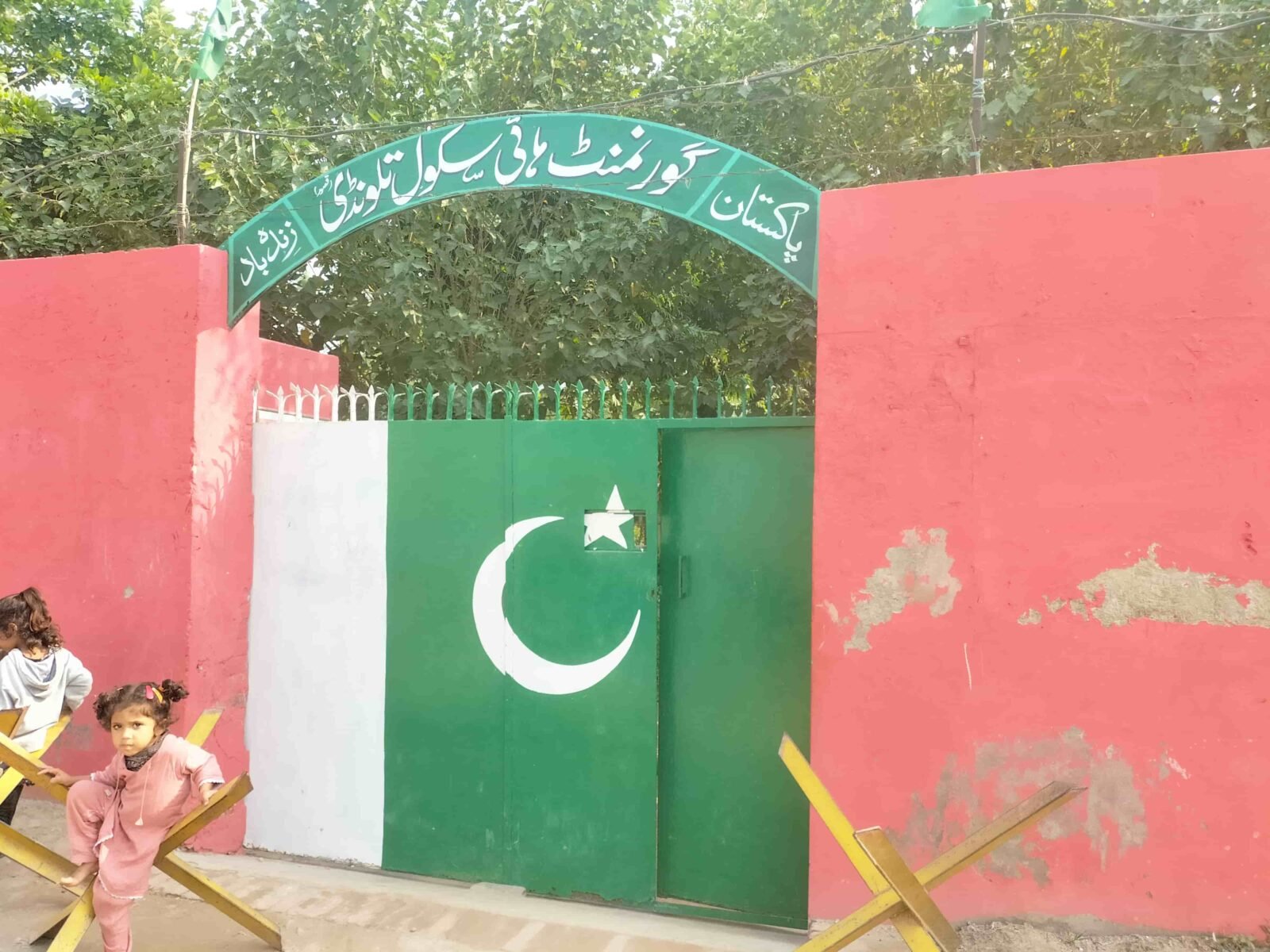
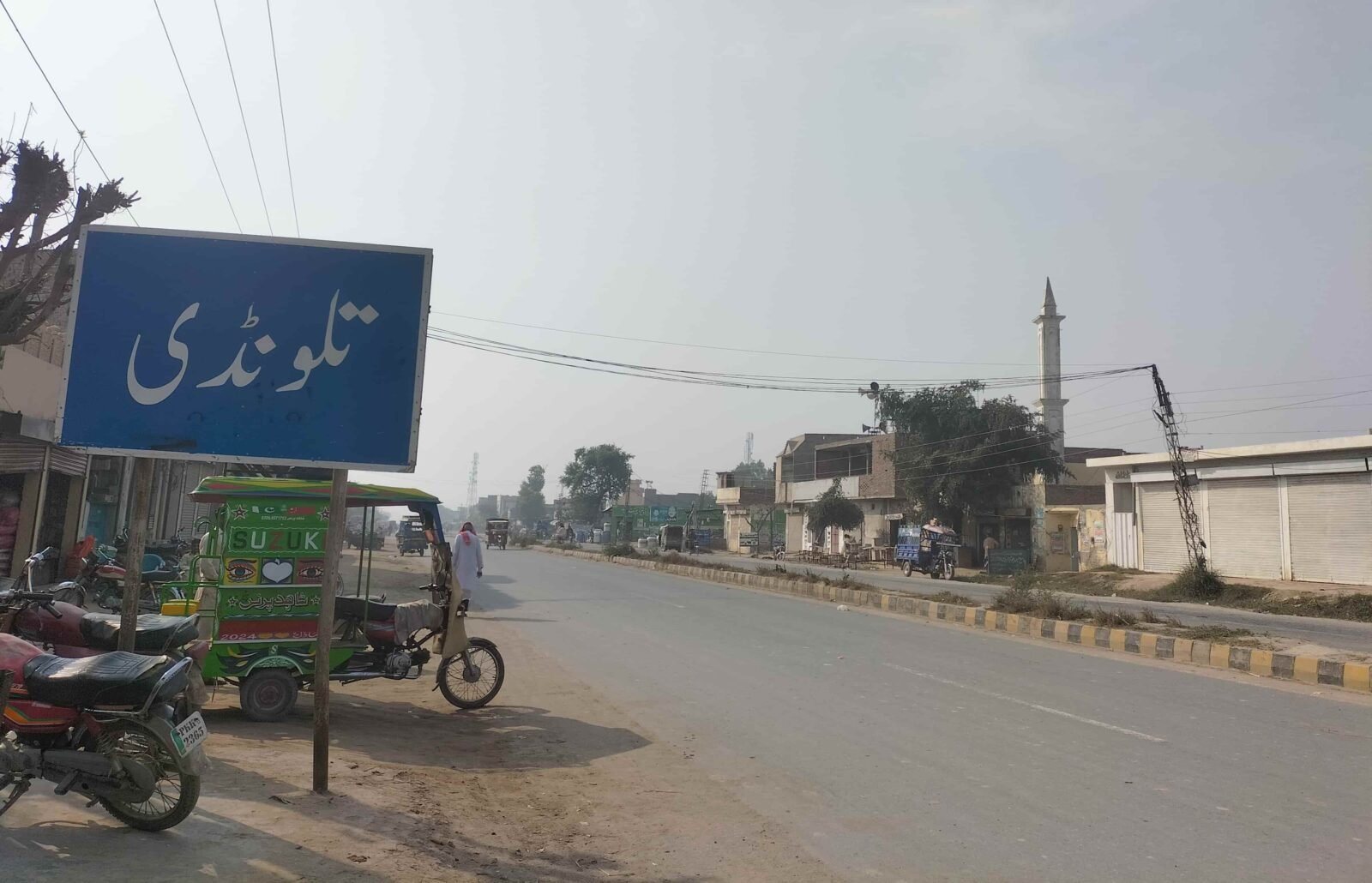
Talwandi (also spelled as Tal Wandi) is a large rural settlement / town situated in Tehsil Chunian of Kasur District, Punjab Province, Pakistan. According to the Pakistan Bureau of Statistics 2023 census, this settlement has a total population of 25,434 individuals, including 12,875 males and 12,548 females.
Males constitute 50.6 percent, while females make up 49.4 percent of the population. The total land area of Talwandi is 3,799 acres, giving it a population density of about 6.69 persons per acre. The Hadbast number of this village is 0000335.
Community Composition of Talwandi
Out of the total population, there are 24,542 Muslims, while 892 individuals belong to other faiths. The literacy-eligible population aged 10 years and above is 18,353. The adult population aged 18 years and above is 13,673, while senior citizens aged 60 years and above number 1,358.
Education and Literacy Profile of Talwandi
The literacy rate of this village stands at 62.1 percent for the population aged 10 years and above. This marginally falls below the Kasur District average of 62.85 percent, showing a negative gap of 0.75 percentage points. Male literacy in Tal Wandi stands at 66.0 percent, which is slightly lower than the district male average (67.97 percent) by 1.97 points.
Female literacy is 58.1 percent, exceeding the district female average (57.44 percent) by 0.66 points. The figures reveal generally solid educational performance, with both male and female literacy approaching or exceeding district benchmarks. This shows that while the village performs well overall, modest targeted improvements focusing on male literacy could help achieve full parity with district standards and close the small remaining gaps.
The gender disparity in literacy rates shows a gap of 7.9 percentage points between male and female literacy within the village. This internal gender gap is notably lower than the district-level gender gap of 10.53 percentage points, indicating that Talwandi has achieved better gender balance in education compared to the broader district context.
Educational Attainment Statistics
- Primary but below Matric: 3,336 males and 2,718 females
- Matric but below Degree: 1,520 males and 1,346 females
- Degree and above: 438 males and 476 females
These numbers demonstrate strong educational participation across gender lines. The data shows 2,718 women completing primary education, 1,346 reaching matriculation, and 476 achieving degree-level qualifications. The transition from 2,718 at primary to 1,346 at matric shows approximately 50 percent continuing beyond primary level.
The presence of 476 female degree holders represents substantial achievement in Talwandi. The gender ratio at degree level, with 476 females compared to 438 males, shows exceptional representation at the tertiary tier, with female degree attainment exceeding male levels by approximately 109 percent, a remarkable reversal of typical patterns in the region.
The educational progression pattern reveals moderate attrition at each transition point for female students. While 2,718 women completed primary education, 1,346 advanced to matric level—representing a 50 percent retention rate, which is significantly better than most villages in the region. The advancement from 1,346 matriculates to 476 degree holders demonstrates continued strong commitment to higher education.
For males, the retention rates show similar patterns, with 3,336 at primary reducing to 1,520 at matric (54 percent retention) and further to 438 at degree level. The exceptional performance at the degree level, where female degree holders outnumber males, is particularly noteworthy and suggests highly effective community engagement, adequate educational infrastructure, and strong family support for women’s higher education.
Key Statistics
| Parameter | Value | District Comparison |
|---|---|---|
| Population | 25,434 | 0.89% of district |
| Males | 12,875 (50.6%) | 0.89% of district |
| Females | 12,548 (49.4%) | 0.91% of district |
| Literacy Rate | 62.1% | 0.75% below district |
| Male Literacy | 66.0% | 1.97% below district |
| Female Literacy | 58.1% | 0.66% above district |
| Adult Population (18+) | 13,673 | – |
| Area | 3,799 Acres (15.37 sq km) | 0.37% of district |
| Population Density | ≈ 6.69 persons/acre | District: 1022.35/sq km |